

Article: How to Fix Weak Hot Throw Before You Order a New Fragrance Oil
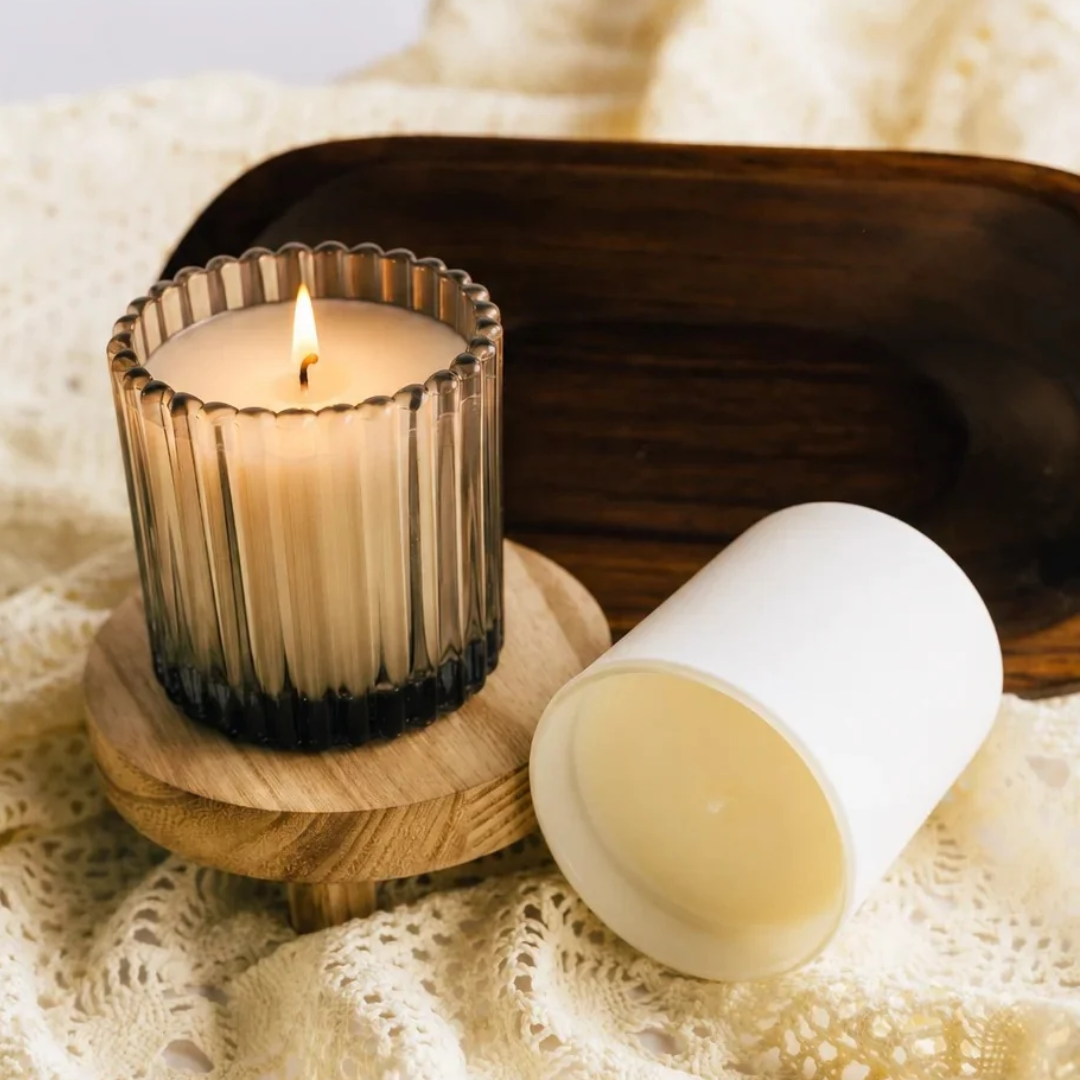
How to Fix Weak Hot Throw Before You Order a New Fragrance Oil
It smells amazing in the jar. You light it, walk across the room, and get nothing.
A weak hot throw doesn’t always mean the oil is the problem. Check the cure, the wick, your fragrance load, and your oil temperature first.
Quick Checklist:
-
- The candle got its full cure
- The melt pool reaches close to the edge of the jar
- Your fragrance load is inside the oil’s range
- You added your oil at the right temperature for your wax
- You’re testing one change at a time
Hot Throw vs Cold Throw
Cold throw is how your candle smells unlit, right in the jar. Hot throw is how it smells lit, across the room.
A candle can have a great cold throw and still not throw scent once it’s burning, because hot throw comes from the melt pool.
1. Give It the Full Cure
Wait for the full cure before you burn test. Natural waxes keep hardening for the first two weeks, which is why curing your candles matters so much. Test too early, and your wick may look too small, so you size up unnecessarily.
Here’s where we’d start:
-
-
Vegetable waxes: about 14 days
-
Blends: about 7 days
-
Paraffin: 24 to 48 hours
-
Your wax’s own instructions come first. Cure in a room between 68 and 86°F (20 and 30°C), so each test candle cures the same way.
Quick Tip: Write the pour date, wick size and load on the bottom of each test candle.
2. Watch the Melt Pool
The melt pool is the melted wax around the wick. It’s what releases your fragrance into the room, so a small pool means less scent. Give it a full burn test first: about one hour per inch of jar width, up to four hours.
Then look at the melt pool:
-
- Not reaching the edge? Your wick may be too small. Go up one size in the same wick series.
- Erratic flame, smoke or mushrooming? Your wick may be too big. Go down one size.
Stay in the same series when you change sizes. Your wax picks the wick series, and the width across the top of your jar picks the size.
Pouring a coconut blend? You won’t see a full coconut wax melt pool until about halfway down the jar, so give it a few burns before you size up. Our wick guide has picks for each wax.
3. Check Your Fragrance Load
Your oil’s page lists its recommended load. Vintage Evergreen, for example, recommends 1-1.5 oz per lb of wax.
Pounds of wax × oz of fragrance per lb (from the oil’s page) = oz of fragrance oil you need.
For 8 oz of wax by weight (half a pound), that’s 0.5 to 0.75 oz of oil.
Two things to keep in mind:
-
- Weigh your wax on a scale. An 8 oz jar holds less than 8 oz of wax.
- More oil won’t fix weak throw. Stay inside the oil’s range and your wax’s max load.
If you work in percentages, our fragrance load calculator does the math in ounces and grams.
The percent and the oz per lb on our oil pages don’t line up exactly: 1 to 1.5 oz per lb works out to about 6.3% to 9.4%. Pick one way to measure and stick with it, so your notes compare.
Check the Temperature You Added Your Oil
Oil that goes in when the wax is too cool or too hot may not bind well, and the candle can come out weak even with the right wick and load. Each wax has its own steps for adding fragrance, so look up your wax’s heating instructions and use the same steps every pour. If your wax isn’t listed, follow its maker’s instructions.
How to Run a Candle Wick Test
Once you’ve checked all four, change one thing at a time so you’ll know exactly what fixed it.
The easiest way is a side-by-side wick test:
-
- Pour three candles on the same day with the same wax, oil, load, and jar.
- Use three wick sizes in the same series: the guide’s pick, one size down, and one size up.
- Cure all three for the same amount of time.
- Burn them next to each other and write down what you see.
For each burn, note the wick size, how long it burned, how wide the melt pool got, and how the room smells. You’ll usually see the winner by the second or third burn. For wax-by-wax results and videos, check the wick testing page.
When Weak Hot Throw Is the Oil
If the cure, the wick, the load and the temperature all check out, then look at the oil.
-
- Check the bottle’s age. Use your oil within a year of purchase for the best scent throw.
- Check how you store it. Keep bottles in airtight containers, out of direct sunlight, at 50 to 70°F (10 to 21°C).
- Test it in your own setup. An oil can smell strong out of the bottle and still throw differently in your wax and jar. Pour a tester with your usual recipe, give it the full cure, and burn it next to a candle you already know throws well.
If you’re testing a new oil, start with the 2 oz and move up to the 16 oz once it passes. The Top 20 is a good place to see what other makers are pouring right now.
For soap makers: Hot throw is a candle thing, but the same testing habit works for your bars.
Change one thing per test batch and write down your load.
Frequently Asked Questions
-
- How do I make my candles smell stronger?
Work through the checks in order: give your candles the full cure, make sure the melt pool reaches the edge of the jar, keep your load inside the oil’s range, and add your oil at your wax’s temperature. Change one thing at a time, so you know which fix worked. -
How long should I cure a candle before burn testing?
Follow your wax’s instructions first. As a starting point, give vegetable waxes about 14 days, blends about 7 days, and paraffin 24 to 48 hours.
-
Does more fragrance oil make hot throw stronger?
Not past what your wax can hold. Too much oil can leave a lit candle weak, so check your cure and wick before you change the load.
- How do I make my candles smell stronger?
Pour It the Same Way Every Time
Once a candle fills the room, write the recipe down and pour it the same way every time. Fragrance oil has a long shelf life when stored properly, so once an oil passes your test, you can stock up for next year.


Leave a comment
This site is protected by hCaptcha and the hCaptcha Privacy Policy and Terms of Service apply.