

Soy Wax
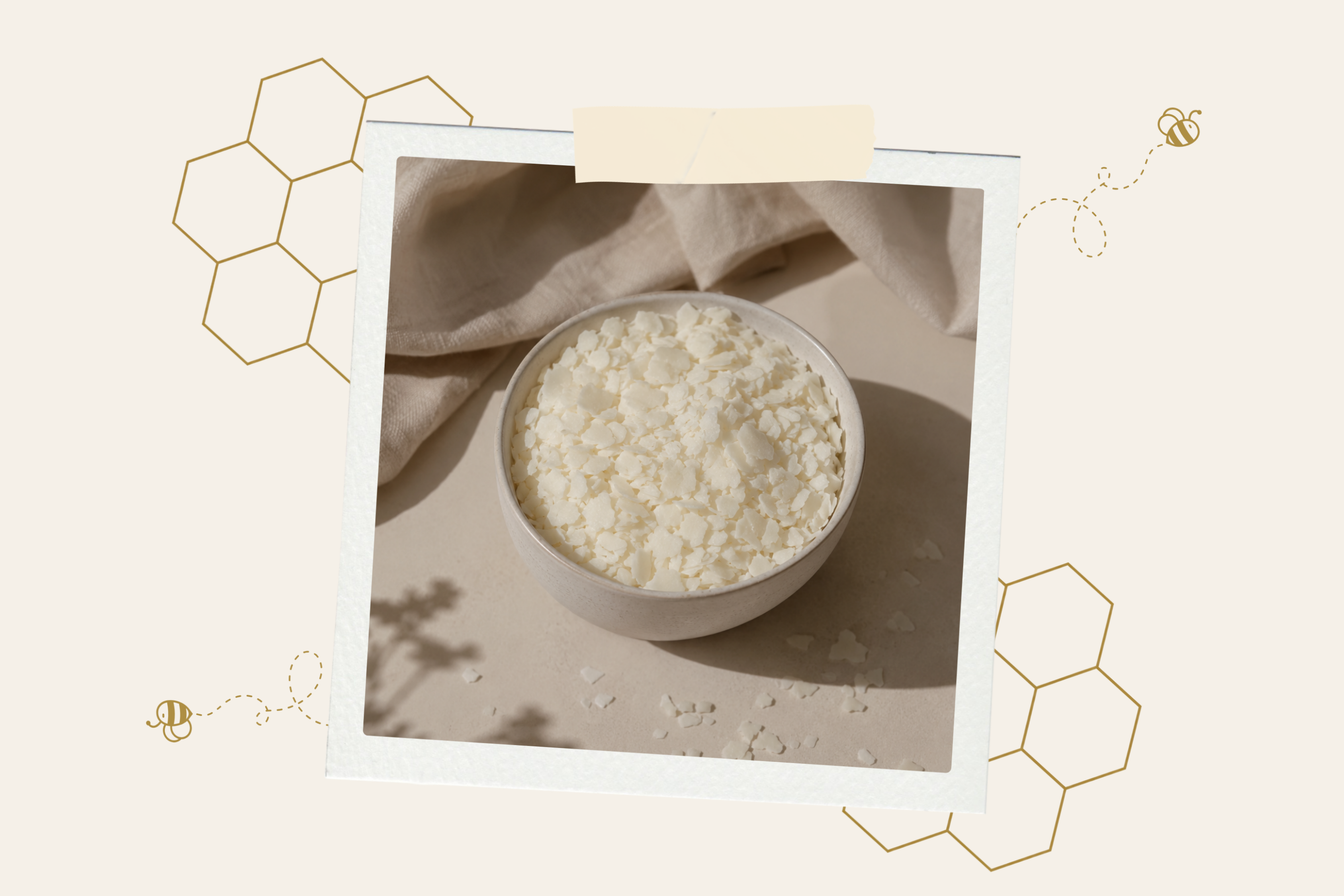
Soy wax comes from soybean oil. The beans get cleaned, cracked, de-hulled, and rolled into flakes, then the oil gets pulled out and hydrogenated. That just means turning some of the fatty acids from unsaturated to saturated, which makes the oil solid at room temp. Even the leftover husks get used, usually as animal feed. Most of the soybeans come from the Midwest, especially Illinois, Iowa, and Indiana. Our soy wax is made right here in the U.S. and tested every step of the way, with soy-based additives built in to cut down on frosting, help with jar adhesion, and boost that hot and cold throw.
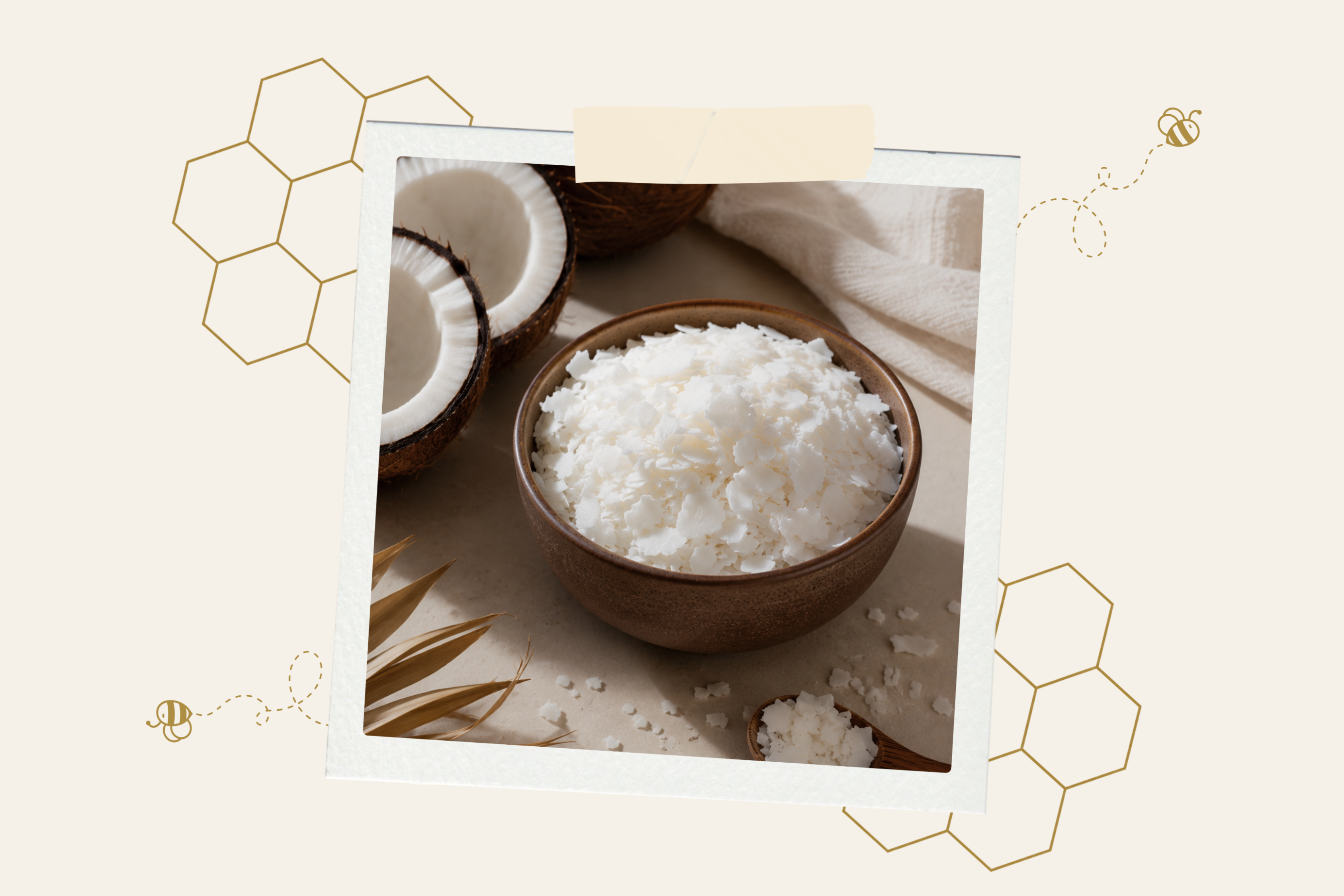
Coconut Wax
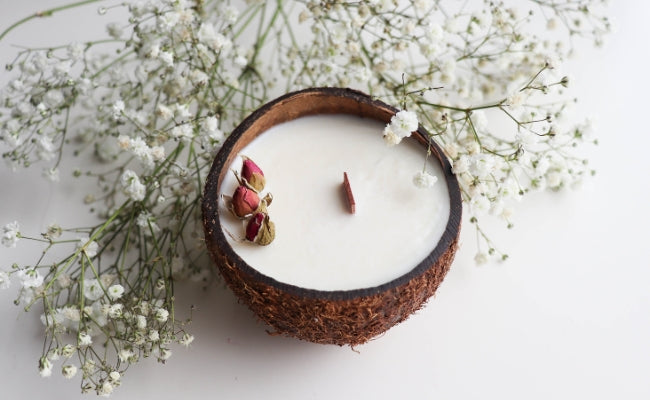
Coconut candle wax comes from the meat of coconuts, and it's a favorite for candle makers who want something natural and eco-friendly. It burns clean, with very little soot or smoke, so you get a fresher feel in your home. The scent throw is one of the best parts — fragrance spreads evenly through the whole room. It also has a soft, creamy texture that blends really well with soy or beeswax if you want to mix things up. Because it melts at a lower temp, candles made with coconut wax tend to burn longer and more evenly, and they hold color and fragrance beautifully too.
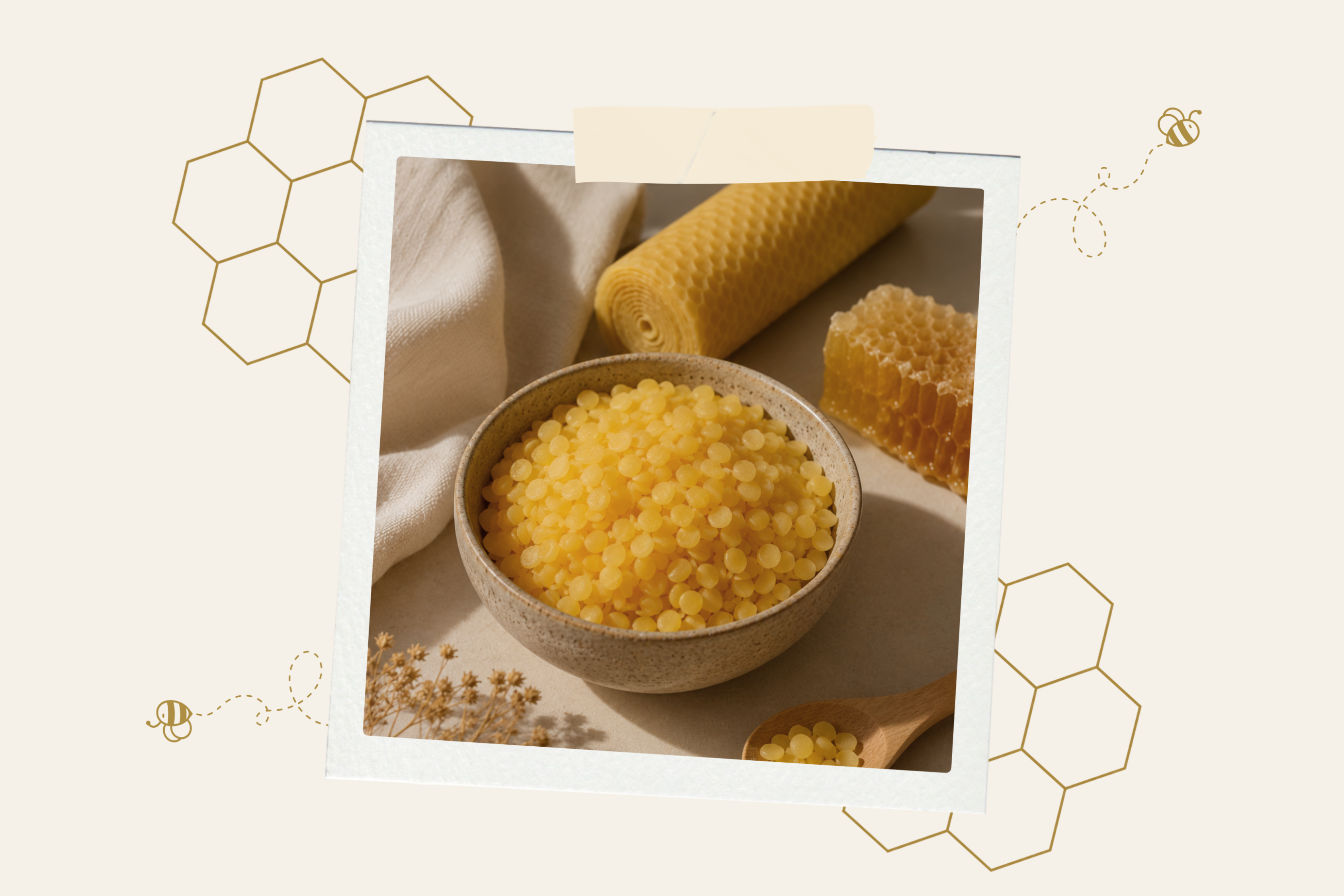
Beeswax
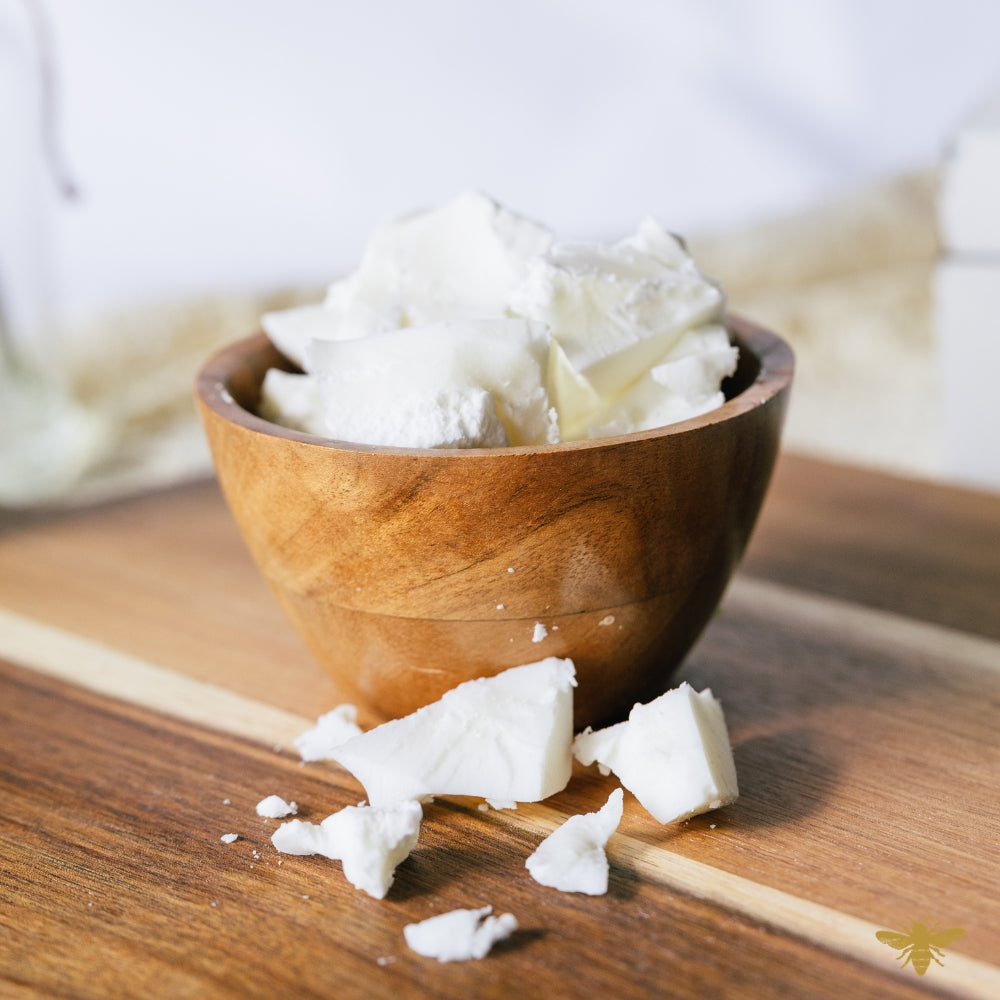
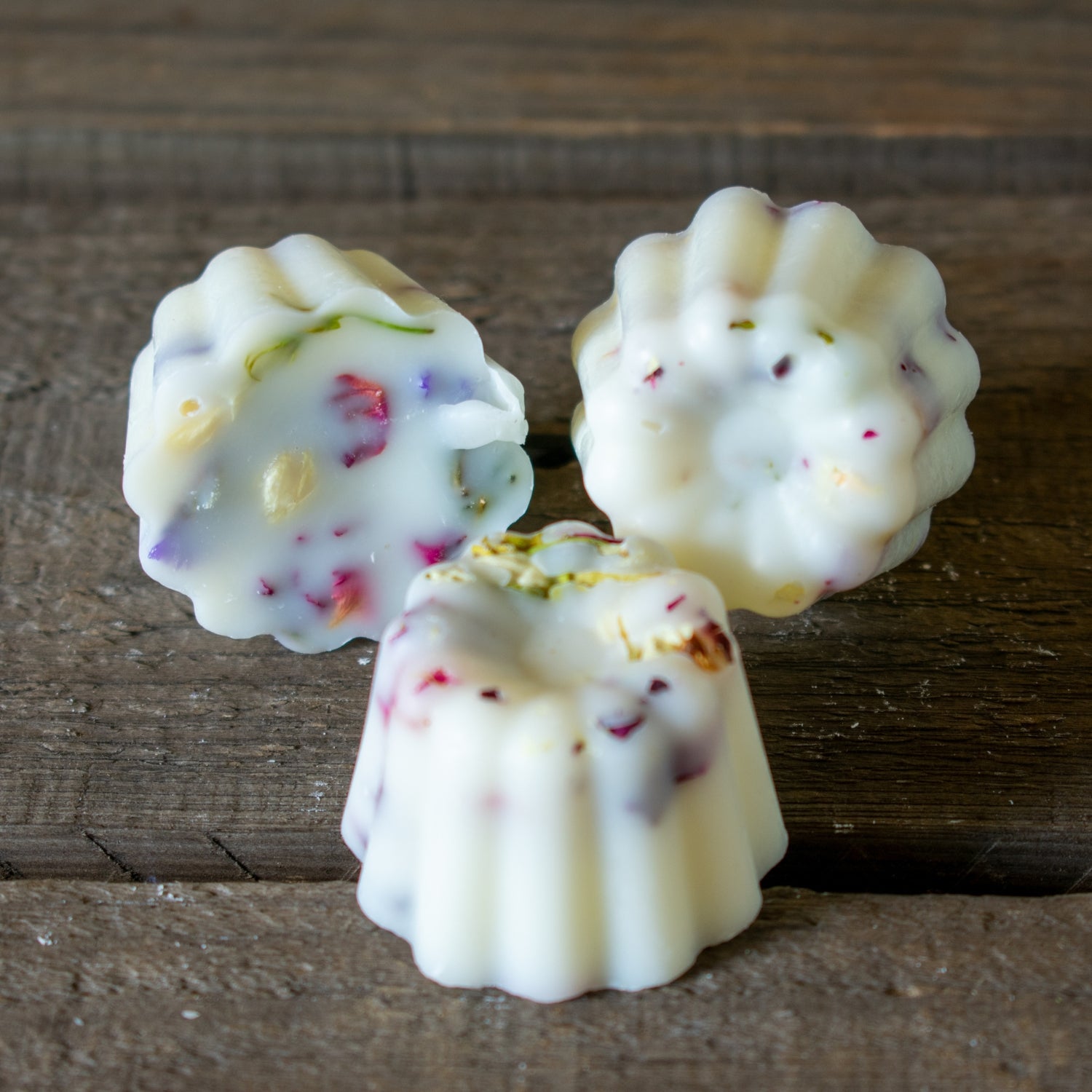
Beeswax is a natural, renewable substance produced by honeybees, specifically secreted from glands on their abdomens. The bees use it to construct honeycomb cells for storing honey and raising their young. This wax has a distinctive yellow or golden hue, along with a subtle, sweet aroma. Rich in beneficial properties, beeswax is known for its versatility and is commonly used in candles, cosmetics, and food wraps. It boasts excellent moisture-retaining qualities, making it a popular ingredient in skincare products. Additionally, beeswax has natural antibacterial properties, contributing to its effectiveness in preserving food and promoting overall health and wellness.
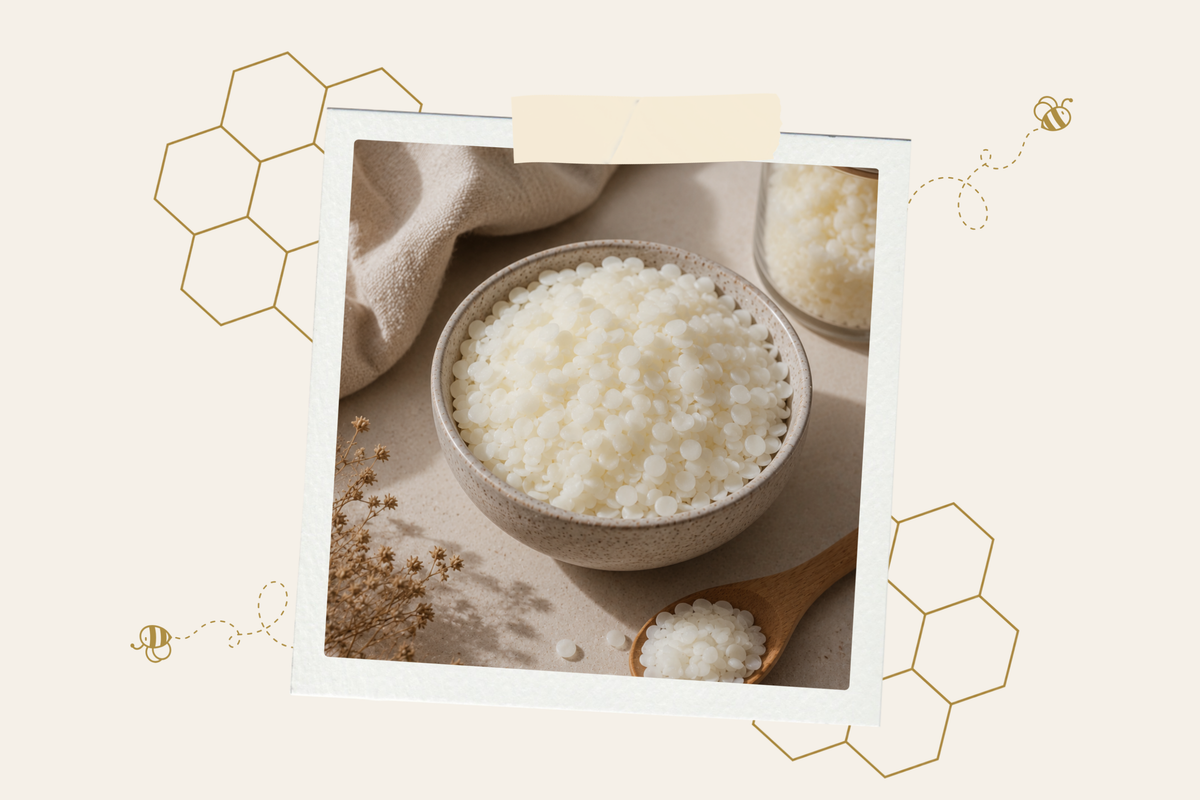
Wax Blends
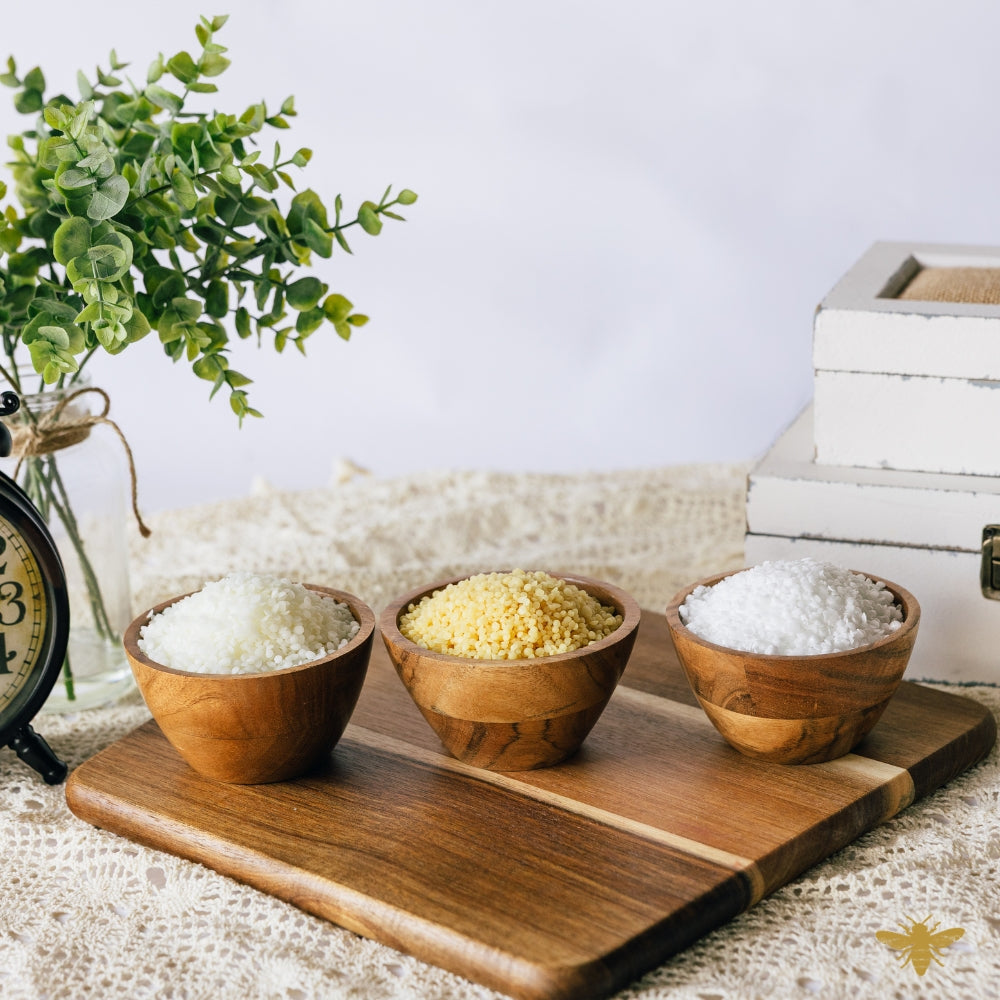
Blended waxes can be an excellent choice for candle making due to their unique characteristics. They combine the best features of different waxes, providing more consistency, better fragrance throw, and smoother surface finish than pure waxes might offer. Blended waxes also have a lower shrinkage rate, reducing the need for second pours. This makes the candle making process more efficient. Furthermore, they offer greater flexibility as they can be tailored to specific needs, like creating a harder candle for warmer climates or a softer one for colder areas. With blended waxes, you can truly customize your candle making experience.
Blog Posts
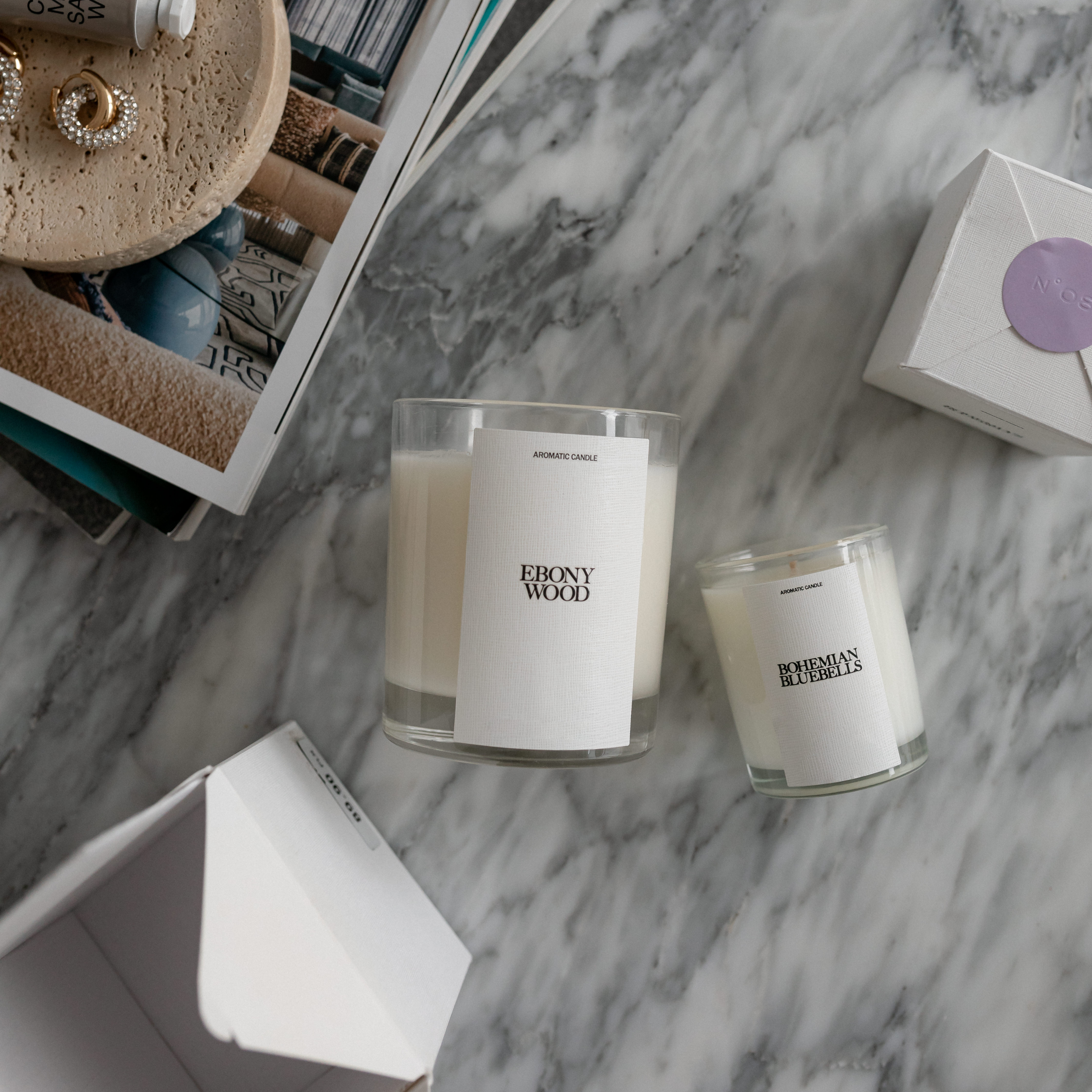
Why Trademarking Your Candle Business Matters Earlier Than You Think
Starting a candle business is exciting. You spend weeks choosing the perfect business name, designing a beautiful logo, selecting premium fragrance oils, testing candle wax, and creating packaging ...
Read more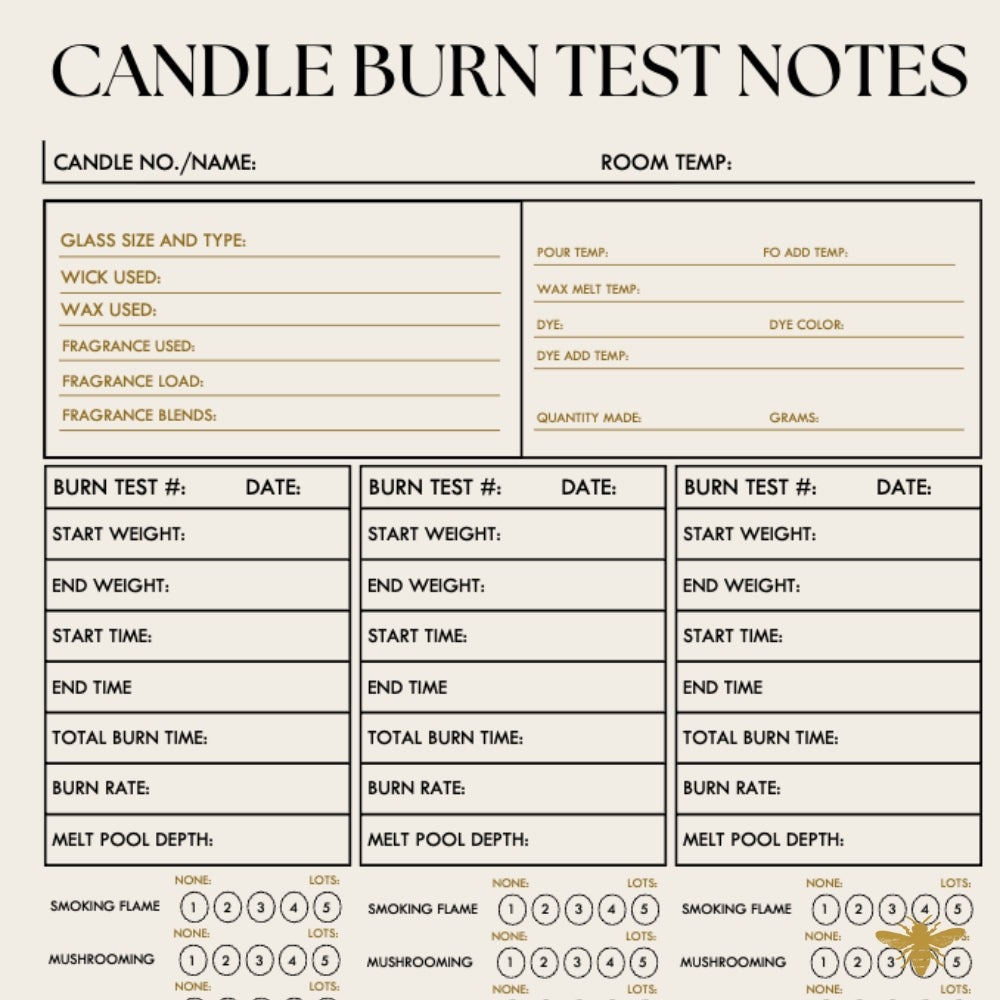
How to Conduct a Candle Burn Test: A Complete Guide for Candle Makers
Burn testing is one of the most important—and often overlooked—steps in candle making. Whether you’re a hobbyist experimenting with new fragrances or a professional candle maker preparing products ...
Read more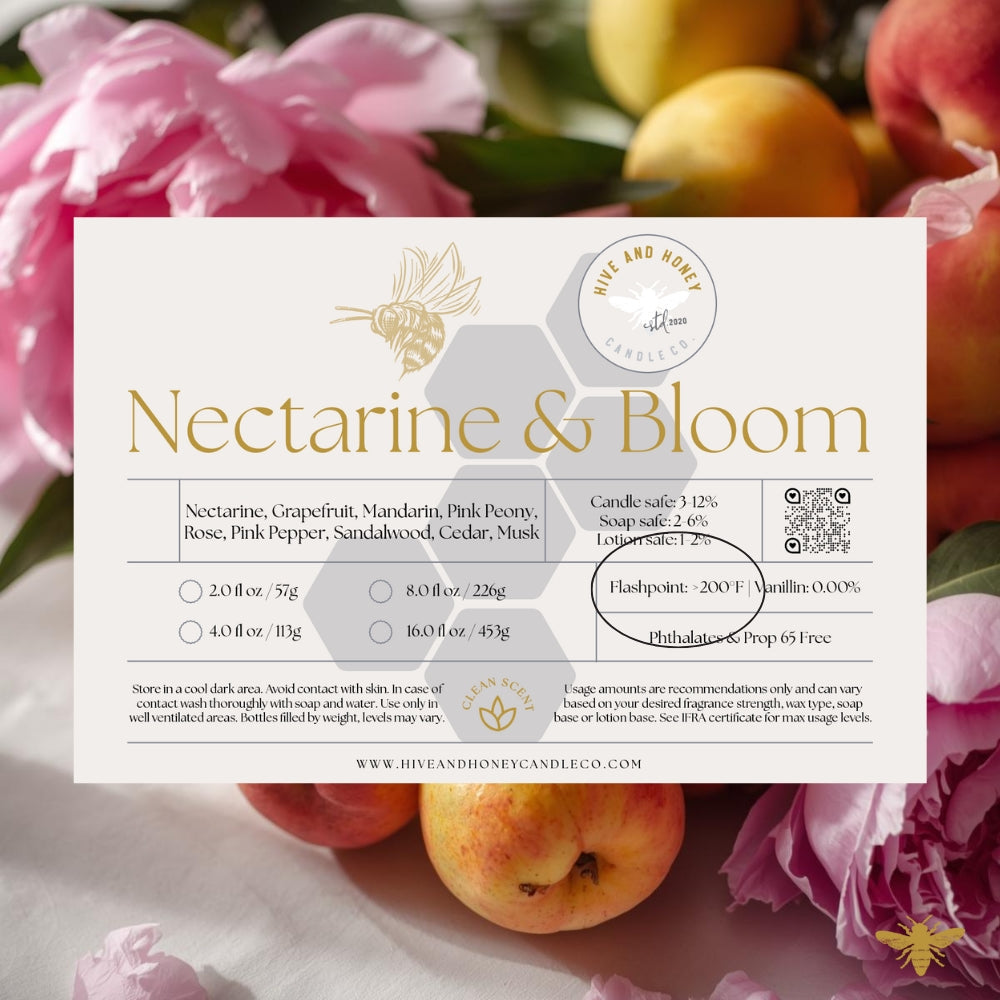
Fragrance Oil Flashpoints for Candle Making: Beginner Guide + Gel Candle Safety Tips
Learn what fragrance oil flashpoints are, why they matter in candle making, and how they affect shipping, storage, gel candle safety, and handling. Beginner-friendly guide with FAQs. Fragrance Oil ...
Read more
HH Candle Co Community Hive
Join the 8900+ members in our exclusive group to get access to promos, product announcements, educational content, and more!
Join Us! It's FUN + Free!