
What Is the Best Wax for Beginners? (Candle Making Guide 2026)
What Is the Best Candle Wax for Beginners? A Complete Beginner’s Guide
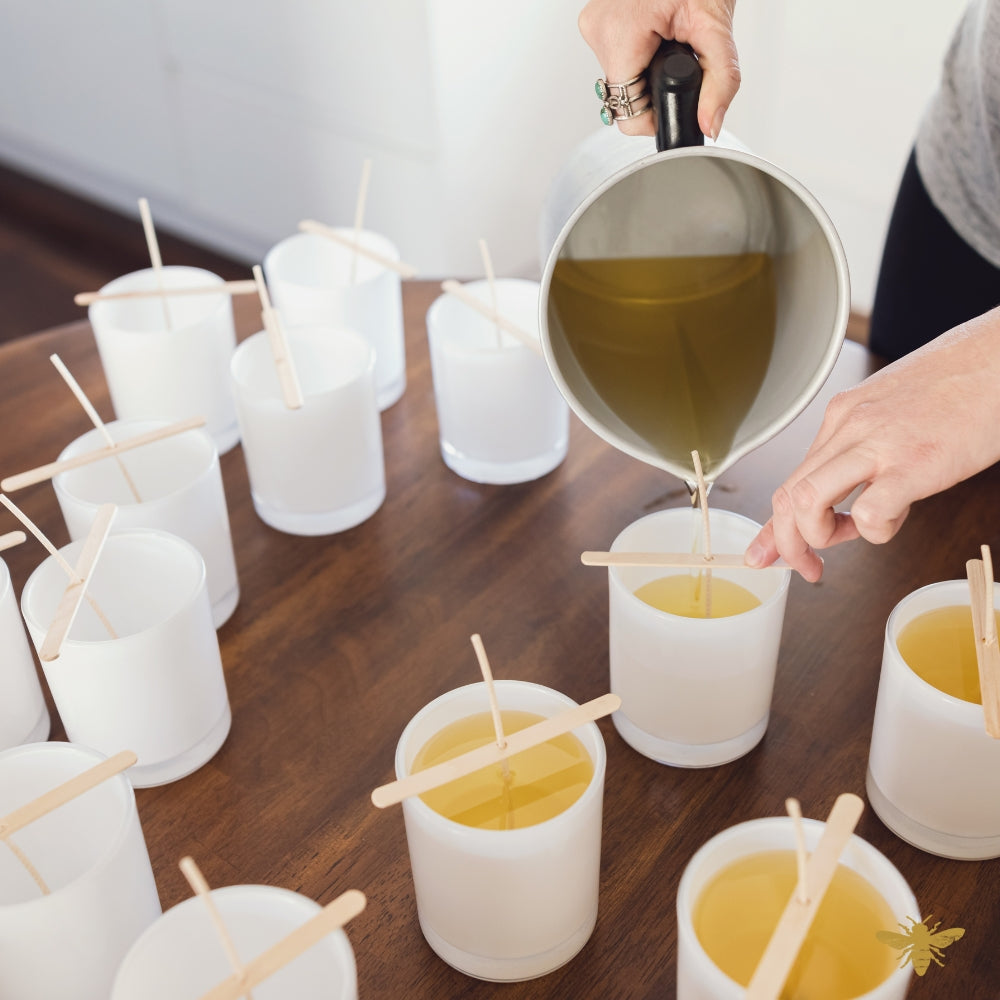
If you’re new to candle making, choosing the right wax can make the entire learning process easier, more enjoyable, and more successful. With so many wax options available—soy, coconut, paraffin, beeswax, and various blends—it’s normal to wonder which wax is best for beginners and why.
In this guide, we’ll break down the major wax types, compare how they behave, and explain what makes certain waxes more beginner-friendly than others. By the end, you’ll have a clear starting point and a better understanding of how wax impacts your candles.
Why Wax Choice Matters for Beginners
Wax influences almost every aspect of a candle, including:
- scent throw (cold and hot)
- burn performance
- surface appearance
- curing time
- cost of production
- ease of testing
- wick compatibility
Learning candle making involves a period of trial, error, and testing. Beginner-friendly waxes keep that learning curve manageable by providing consistent results without requiring advanced troubleshooting.
The Most Common Candle Waxes Explained
Before identifying the best choice for beginners, it’s useful to understand how the main wax options differ.
Soy Wax
Soy wax is one of the most popular plant-based waxes used in container candles.
Advantages
- widely available
- affordable to test with
- considered natural and clean-burning
- decent scent throw when cured properly
- works well for small hobby batches
- easy to source from multiple suppliers
Challenges
- can frost or develop visual texture
- may crack if cooled too quickly
- requires cure time for best scent
- scent throw varies by fragrance formulation
Beginner Learning Curve: Low to Moderate
Soy helps beginners understand fragrance percentages, pouring temperature, cure time, and wick testing.
Coconut Wax
Coconut wax is known for its smooth, creamy appearance and strong scent throw, and it has become popular in luxury home fragrance.
Advantages
- excellent cold and hot throw
- smooth tops with minimal effort
- clean burn characteristics
- soft, creamy visual finish
Challenges
- higher price point
- sometimes sold only as part of a blend
- softer texture can be tricky for unmixed use
- fewer suppliers compared to soy
Beginner Learning Curve: Moderate
Coconut wax is forgiving once understood, but its premium cost may not be ideal during early experimentation.
Beeswax
Beeswax is one of the oldest candle waxes, often used in natural and aromatherapy candles.
Advantages
- long burn time
- natural golden color
- light natural honey scent
- minimal additives needed
- extremely clean burn
Challenges
- higher material cost
- wicking can be more complex
- not ideal for scented container candles
- limited color options due to natural tint
Beginner Learning Curve: Moderate to High
Beeswax is rewarding, but less suited to beginners interested in fragrance experimentation.
Paraffin Wax
Paraffin wax has been widely used in commercial candle manufacturing for decades.
Advantages
- very strong scent throw
- easy to wick
- smooth surface appearance
- consistent performance
- easy coloring
- widely available
Challenges
- petroleum-derived (not considered natural by consumers)
- can produce more soot if wick is oversized
- less aligned with eco-focused branding
Beginner Learning Curve: Low
Paraffin is one of the easiest waxes to work with mechanically and often produces good results without extensive testing.
Wax Blends
Wax blends combine properties of multiple waxes—commonly soy, coconut, paraffin, or apricot.
Advantages
- balanced performance
- better scent throw
- smooth tops and fewer visual flaws
- easier wicking
- improved stability
Challenges
- cost varies widely
- performance varies by supplier and formula
- less standardized naming conventions
Beginner Learning Curve: Low to Moderate
Blends are a strong choice for beginners wanting more premium performance from the start.
Key Factors Beginners Should Consider When Choosing a Wax
The “best wax” depends on personal goals and priorities. Beginners should consider:
1. Cost and Budget
Testing requires multiple batches. Lower-cost waxes make experimentation easier.
2. Availability and Consistency
Choose wax that is easy to reorder from reliable sources. Switching wax later requires re-testing fragrances, wicks, and vessels.
3. Scent Preferences
Some waxes absorb and release fragrance more efficiently than others.
4. Surface Appearance
Beginners often prefer waxes that set smoothly without cracking or frosting.
5. Cure Time
Some waxes can be burned within 24 hours; others benefit from several days or weeks of curing.
6. Intended Candle Style
Consider whether you plan to make:
- container candles
- pillars
- tea lights
- wax melts
Different wax types excel in different applications.
So, What Is the Best Wax for Beginners?
For most beginners making container candles, three waxes stand out:
Best Overall Beginner Wax: Soy
Soy wax is widely considered the most accessible starting point. It is cost-effective, readily available, and versatile enough to produce quality candles without advanced techniques.
Soy also aligns well with current consumer preferences toward natural and plant-based materials.
Easiest to Work With: Paraffin
In terms of pure mechanical performance, paraffin offers the least troubleshooting. It provides smooth finishes, excellent scent throw, and straightforward wicking.
Although not the top choice for natural branding, it’s a strong option for beginners focused on scent and performance.
Best for Premium Beginners: Coconut-Soy Blends
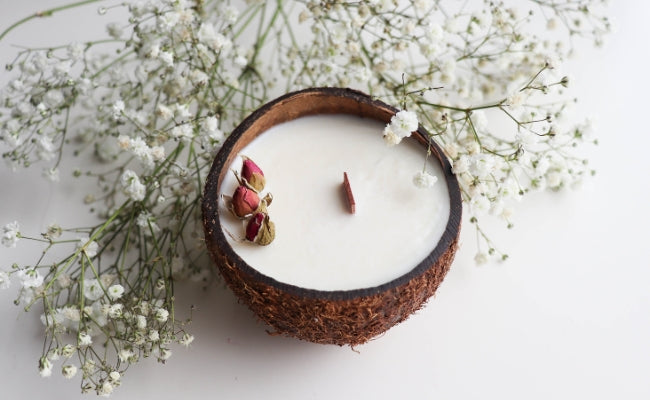
For beginners aiming to create soft, creamy, and luxe candles, coconut blends are a practical entry point into premium home fragrance. They combine the strength of coconut with the stability of soy or apricot.
Waxes Beginners May Want to Avoid Initially
Certain waxes are better explored once foundational skills are established.
- Pure Beeswax: Higher cost + wicking difficulty
- Pure Coconut: Too soft for some vessels; typically blended
- Pillar Blends: Require different molds and techniques
- Gel Wax: Requires special safety handling and add-in compatibility
These waxes are worthwhile but introduce more complexity early on.
Tips for Choosing Your First Wax
Beginners can streamline the process by following a few practical guidelines:
1. Start With One Wax
Using one wax at a time makes troubleshooting simpler and improves learning outcomes.
2. Buy Small Test Quantities
Purchase 1–5 lb bags while testing to reduce material waste and cost.
3. Use Matching Components From the Same Supplier
Wax, wick, and fragrance combinations vary. Starting with matching components improves consistency.
4. Keep a Candle Testing Log
Document fragrance load, wick size, pour temperature, and results. Testing documentation is one of the most valuable beginner habits.
5. Don’t Aim for Perfection Immediately
Wax behavior can vary based on workspace temperature, humidity, and cooling speed. Variations are normal during learning.
Frequently Asked Beginner Questions
Does Soy Wax Have Good Scent Throw?
Soy can produce good scent throw with proper cure time and tested fragrance oils. It typically benefits from slower curing compared to paraffin.
Is Soy Better Than Paraffin?
Neither is universally better; they excel in different ways. Paraffin has stronger immediate scent throw, while soy aligns with natural branding trends.
Can Coconut Wax Be Used by Beginners?
Yes—especially as part of a blend. Pure coconut wax is softer and less common for beginners.
Do I Need to Cure My Candles?
Many waxes—especially soy—benefit from curing to allow fragrance to bind and stabilize.
Is Natural Wax Always Better?
Natural waxes appeal to certain consumers, but performance depends more on formulation than origin alone.
Final Thoughts: Best Wax for Candle Making Beginners
The best wax for beginners ultimately depends on goals, budget, and intended style. However, for most new makers:
- Soy is the top beginner choice for plant-based, affordable, widely available candles.
- Paraffin is the easiest to work with for strong scent throw and smooth appearance.
- Coconut-soy blends are ideal for premium results with less troubleshooting than pure coconut or beeswax.
Starting with a simple, consistent wax allows beginners to focus on learning fundamentals such as wicking, fragrance load, pour temperature, and burn testing—skills that apply to every wax type.

Leave a comment
This site is protected by hCaptcha and the hCaptcha Privacy Policy and Terms of Service apply.