
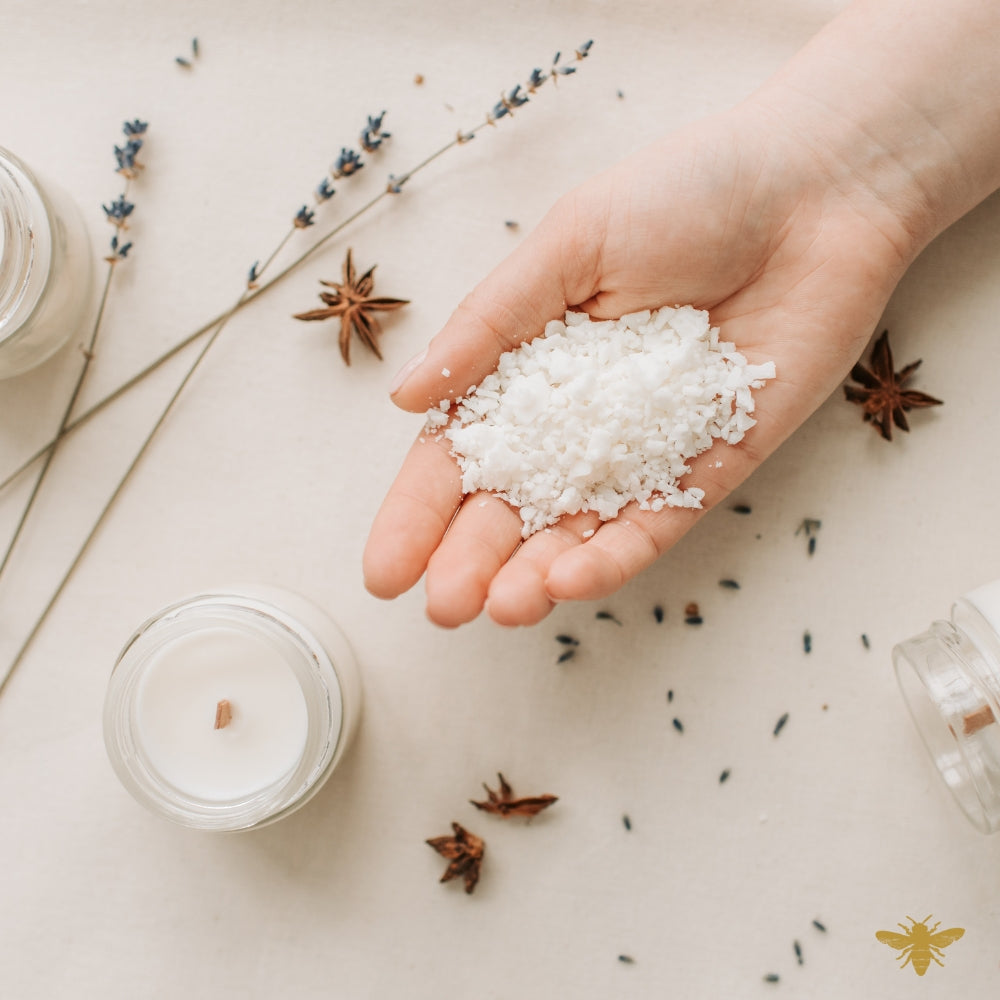
Best Candle Wax for Long Burn Times: Soy, Coconut, Beeswax & Paraffin
When learning how to make candles—whether as a hobby or a small business—one of the first questions that comes up is: Which candle wax burns the longest? Burn time matters for cost, performance, scent throw, and customer experience. Choosing the right wax can also make candle testing easier and more predictable, especially when scaling from hobby batches to small-batch production.
This guide breaks down the burning characteristics of the most common container waxes used today—soy, coconut, paraffin, and beeswax—and explains why some waxes burn more slowly than others. We’ll also touch on wax blends, fragrance loads, and wick selection, since real-world burn time depends on more than wax alone.
Why Burn Time Matters
Burn time is more than a selling point. For candle makers, it affects:
- Cost efficiency per vessel
- Customer satisfaction
- Testing and consistency
- Perceived value for gift and retail candles
- Wholesale profitability for small makers
- Sustainability and waste reduction
For beginners, a slow-burning candle means more room for wicking errors, longer testing windows, and fewer complaints about “burning too fast” or “finishing in one night.”
What Influences Candle Burn Time?
Understanding burn time involves more than asking which wax burns slowest. Several variables interact:
1. Wax Type
Different waxes have different melt points, densities, and hardness levels—all affecting burn speed. Generally, denser or harder waxes burn slower.
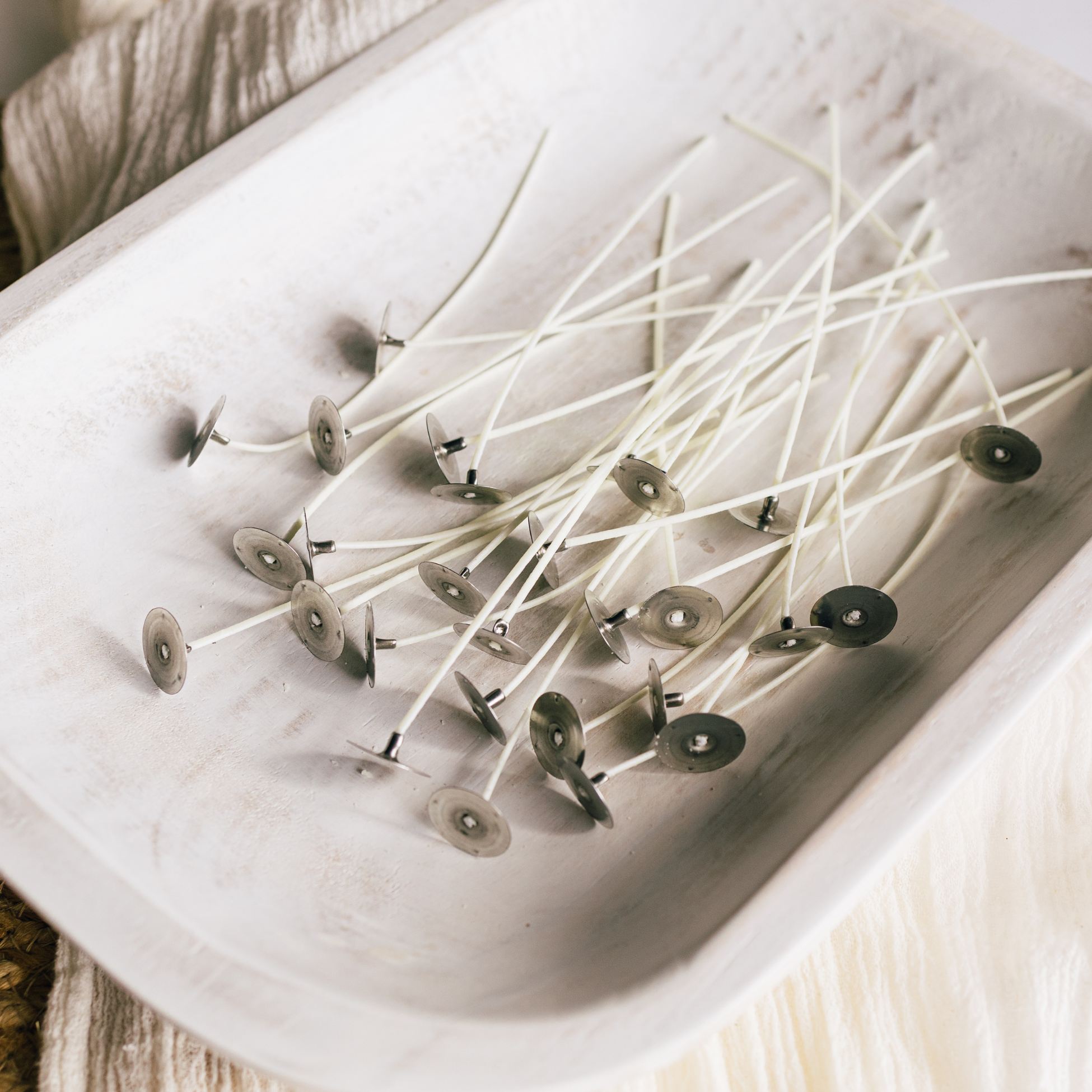
2. Wick Size & Material
Even a slow-burning wax can burn fast if over-wicked. Conversely, an under-wicked candle can tunnel and leave unburned wax behind.
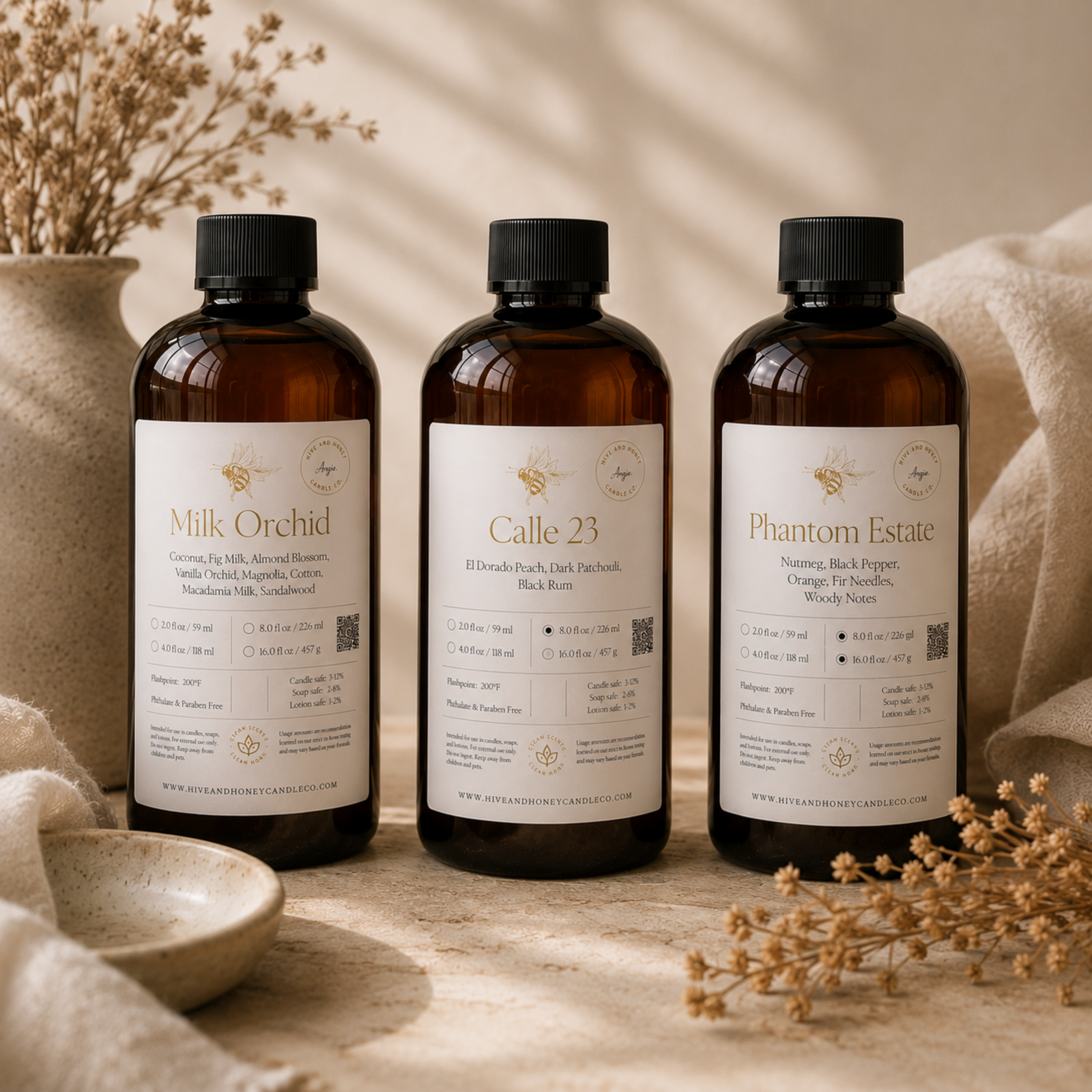
3. Fragrance Load & Oil Type
Higher fragrance loads can soften wax and change how it melts. Some fragrance oils burn cleaner than others.
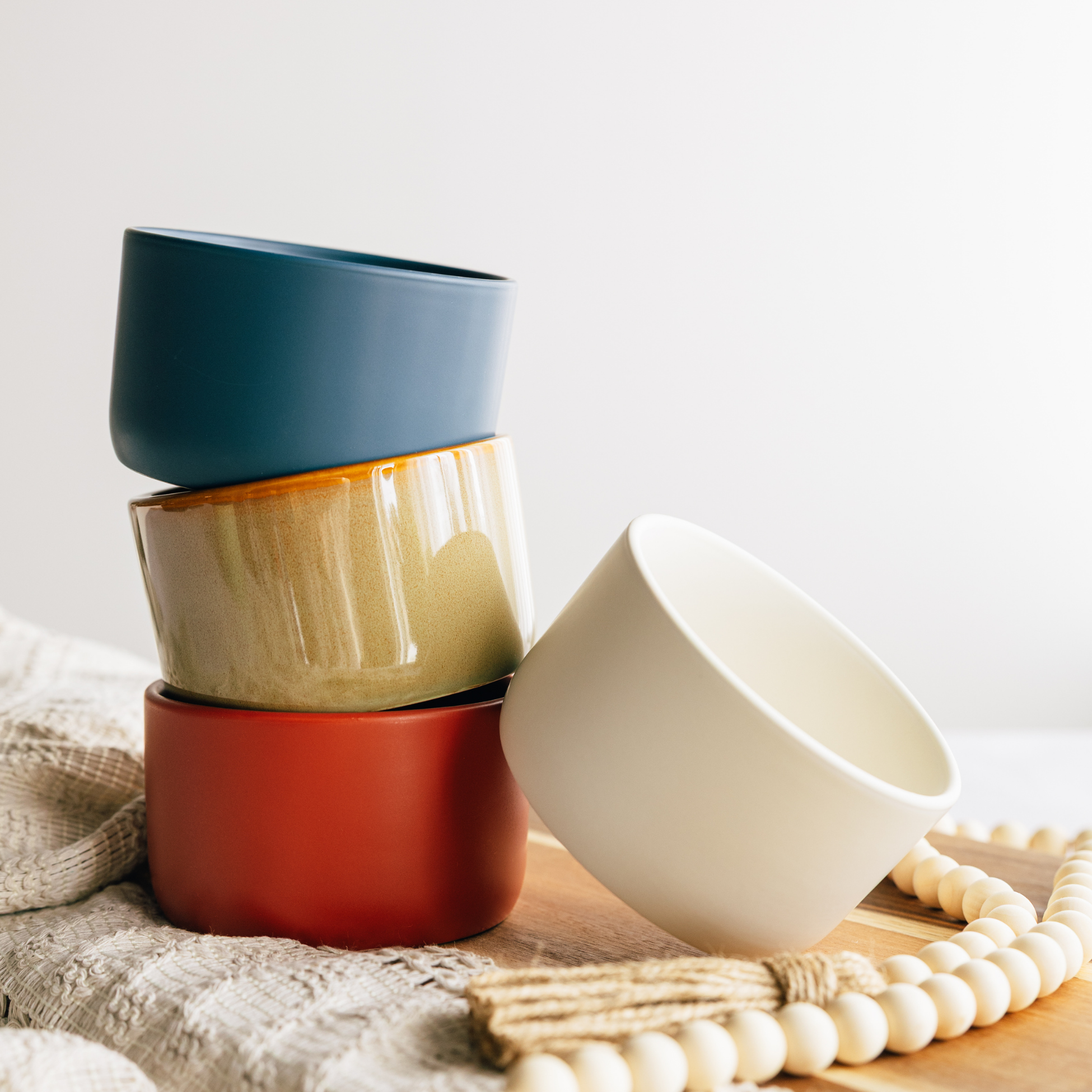
4. Vessel Shape
Wide containers need more heat to reach a full melt pool and often require larger wicks, speeding the burn.
5. Additives & Colorants
Additives can modify burn characteristics by hardening, softening, or improving glass adhesion.
Comparing Popular Container Waxes by Burn Time
Now let’s look at how long each wax type typically burns in container candles.
Soy Wax: A Slow-Burning Vegetable Wax for Containers
Soy wax is one of the most common choices for beginners and small candle businesses. It’s known for its:
- Soft/medium hardness
- Clean appearance
- Neutral scent profile
- Good cold and warm throw (depending on oil and cure time)
- Longer burn time than paraffin in most setups
Burn Time Profile:
Soy is considered a slow to medium-slow burning wax, especially in container candles. Its melt point and density help it burn efficiently at lower wick sizes.
Advantages for beginners:
- Forgiving to wick
- Predictable in testing
- Works well in single-wick vessels
- Appeals to customers seeking clean ingredients
From a cost perspective, soy isn’t always the cheapest ingredient, but slower-burning candles increase perceived value, making it appealing for small makers selling retail or wholesale.
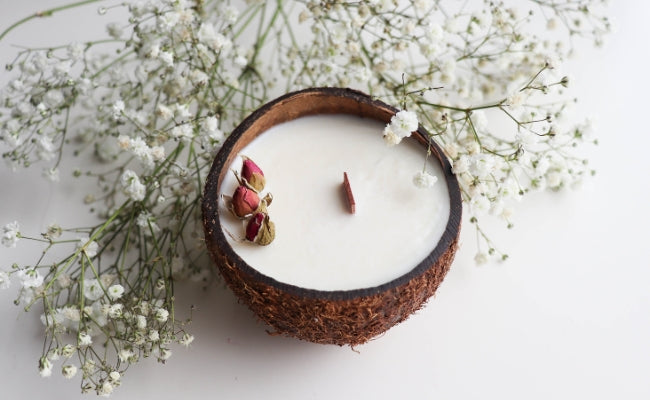
Coconut Wax: Soft, Slow-Burning, and High-End
Coconut wax has grown popular in the last decade for both hobby makers and boutique candle brands. It’s typically blended with small amounts of soy, apricot, or paraffin because pure coconut wax is too soft for container candles.
Burn Time Profile:
Coconut wax is considered one of the slowest burning waxes used for container candles—often slower than soy when formulated well.
Why it burns slow:
- Soft but dense structure
- Lower melt point
- Efficient fragrance oil binding
- Smaller wick requirements
These characteristics contribute to longer burn times and a smoother wax surface throughout the candle’s life.
Perceived Market Position:
Because coconut wax is often used in premium candles, it aligns well with small candle businesses targeting luxury or spa markets.
However, beginners should expect:
- Higher material cost
- More fragrance testing
- Slightly more variable cure times depending on blend
Beeswax: Dense, Hard, and Extremely Slow-Burning
Beeswax is one of the oldest candle-making waxes and remains unmatched in burn time. It is naturally hard and dense—characteristics that significantly slow burn rate.
Burn Time Profile:
Beeswax is typically considered the longest-burning natural candle wax, often outlasting soy and coconut by noticeable margins in controlled tests.
However, beeswax behaves differently in containers compared to pillars or votives:
- It may require larger wicks
- It can have tunneling tendencies if under-wicked
- It resists softening even at burn temperature
For beginners, it’s not the easiest wax to start with, but small businesses offering beeswax container candles can differentiate strongly in the marketplace.
Customer appeal factors:
- Natural, unrefined origin (if not bleached)
- Subtle natural honeyed scent
- Historically linked with clean burning
Beeswax is less common in scented container candles because its natural aroma competes with fragrance oils. Many makers keep beeswax unscented or lightly scented to avoid clashing notes.
Paraffin Wax: Fast Burning but Strong Scent Throw
Paraffin wax is widely used in commercial candles due to its consistent performance and strong fragrance throw. It’s also budget-friendly and beginner-friendly.
Burn Time Profile:
Compared to vegetable waxes, paraffin is faster burning. Its low density and higher melt efficiency produce strong scent throw but shorter overall candle life.
In side-by-side comparisons:
- Paraffin may finish several hours sooner than soy or coconut
- Wicks for paraffin tend to be larger
- Fragrance loads can be higher without performance issues
This explains why paraffin dominates the mass-market candle segment—customers perceive strong fragrance, and manufacturers maintain margins even with shorter burn times.
Wax Blends: Bridging Performance Gaps
Many container waxes on the market today are proprietary blends. Blending allows manufacturers to balance:
- Burn time
- Glass adhesion
- Hot/cold throw
- Cost per pound
- Ease of wicking
- Surface appearance
Examples include:
- Coconut–soy blends
- Soy–paraffin blends (sometimes called “soy-paraffin hybrid” or “parasoy”)
- Coconut–apricot blends
Blended waxes often burn slower than paraffin but may burn faster than pure soy or coconut depending on ratios. They’re popular among small businesses because they simplify testing and reduce curing time.
So, Which Candle Wax Burns the Longest?
If ranked purely by burn time under typical container conditions, a general hierarchy looks like this:
- Beeswax (longest burning)
- Coconut wax
- Soy wax
- Wax blends (variable)
- Paraffin wax (fastest burning)
However, “best” depends on your goals. Beginners often use soy because it strikes a balance between cost, performance, and ease of use. Small businesses may invest in coconut or coconut blends for luxury positioning. Beeswax excels in natural and wellness markets.
Other Factors Small Candle Makers Should Consider
For beginners transitioning to small-batch retail, burn time interacts with:
Pricing Strategy
Slow-burning candles feel more premium and justify higher price points.
Customer Education
Clear labeling of estimated burn time and usage tips reduces returns and complaints.
Testing Requirements
Beeswax and blends may require more wick testing than straight soy.
Fragrance Compatibility
Paraffin excels here; beeswax can clash; coconut and soy sit in the middle.
Final Thoughts: Choosing Wax for Long Burn Times
If your goal is longest burn time, beeswax leads the category. For a balance of longevity, scent throw, and aesthetics in container candles, coconut and soy waxes are strong contenders—especially for beginners and growing businesses.
The key takeaway for new candle makers: Burn time isn’t determined by wax alone. Vessel, wick, fragrance load, and testing all matter. With consistent testing, most wax types can yield slow-burning, high-quality container candles.

Leave a comment
This site is protected by hCaptcha and the hCaptcha Privacy Policy and Terms of Service apply.